


Shop Designer Jackets & Outerwear
-
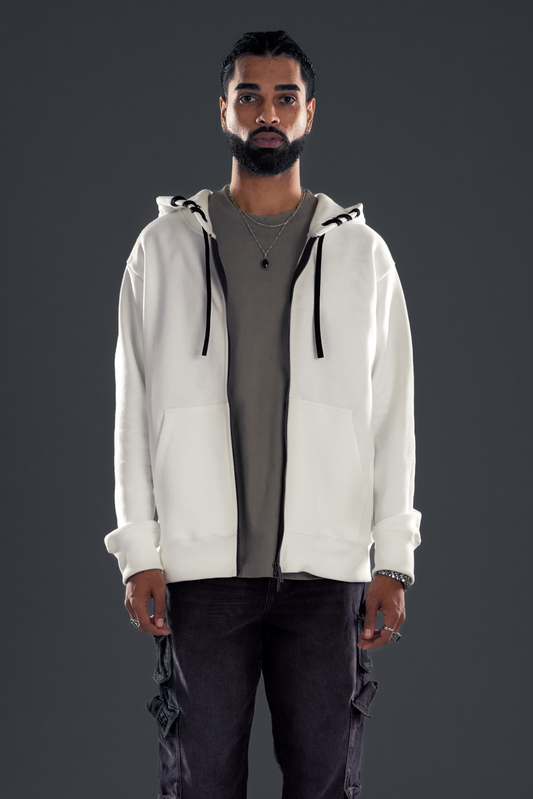
ETCH. HOODIE
Regular price $120.00Regular priceUnit price per -
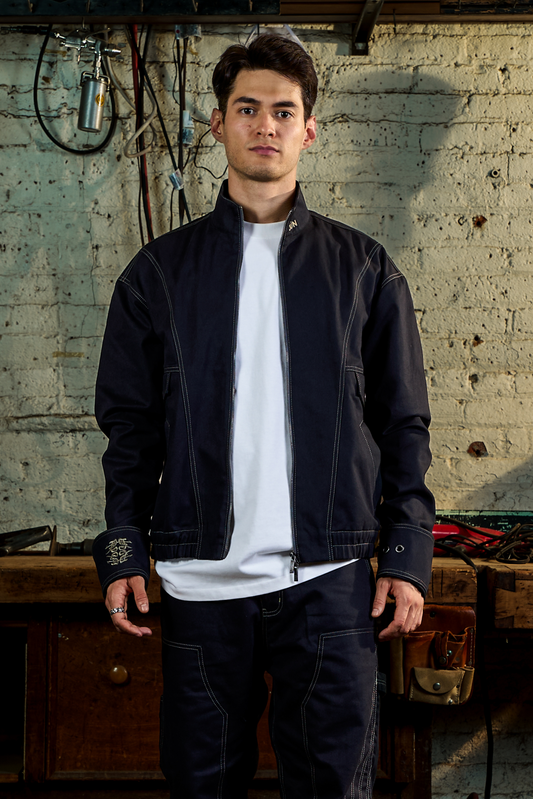
ETERNAL. JKT
Regular price $450.00Regular priceUnit price per -
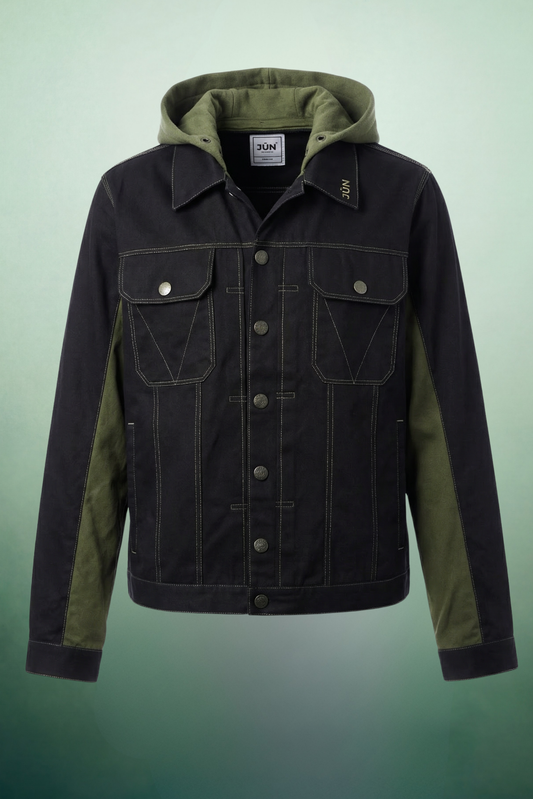
TERRA. JKT
Regular price $450.00Regular priceUnit price per -
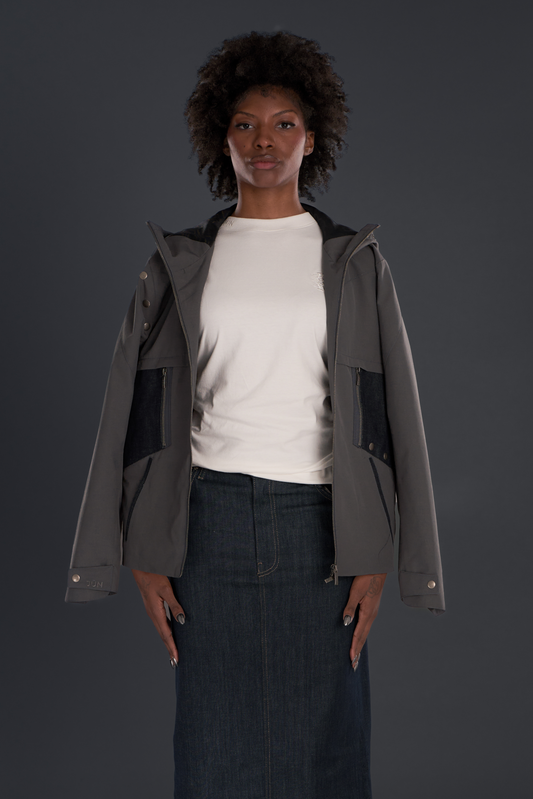
KAZE. WINDBREAKER
Regular price $380.00Regular priceUnit price per -
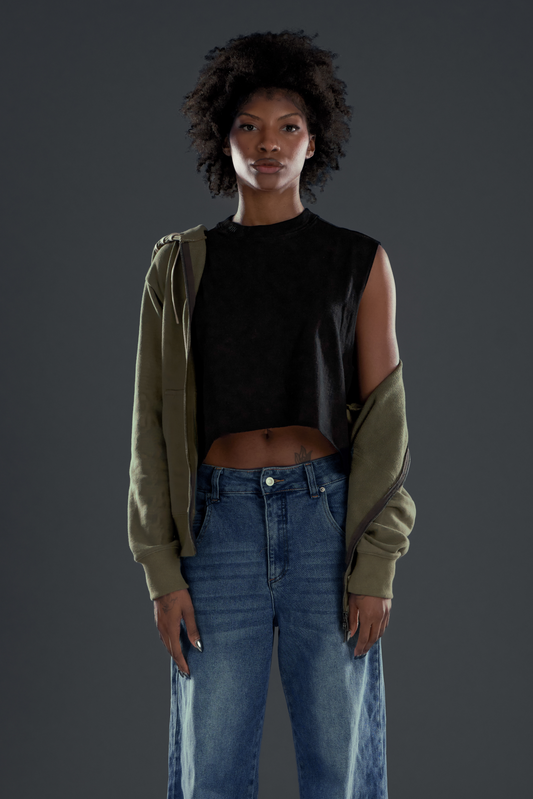
DAWN. ZIP UP
Regular price $180.00Regular priceUnit price per -
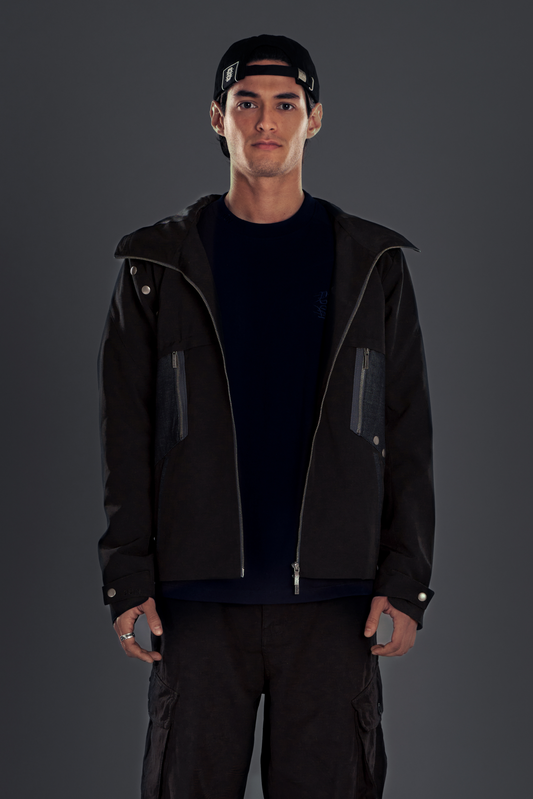
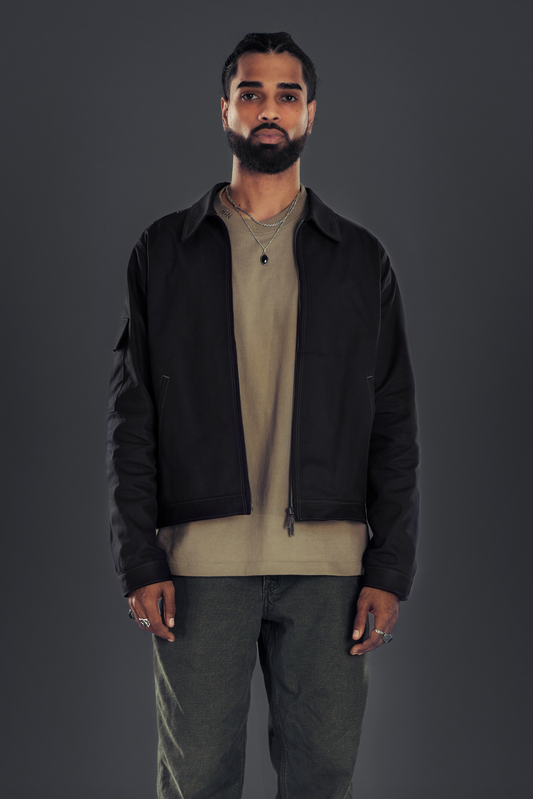
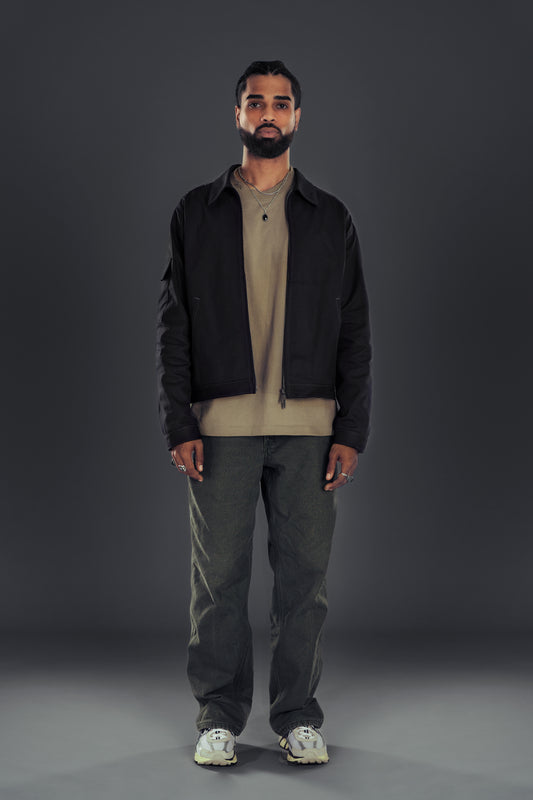
IKE. JACKET - BLACK
Regular price $200.00Regular priceUnit price per -
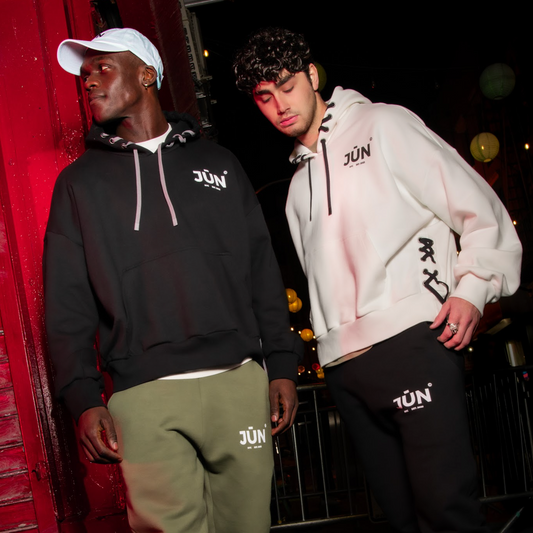
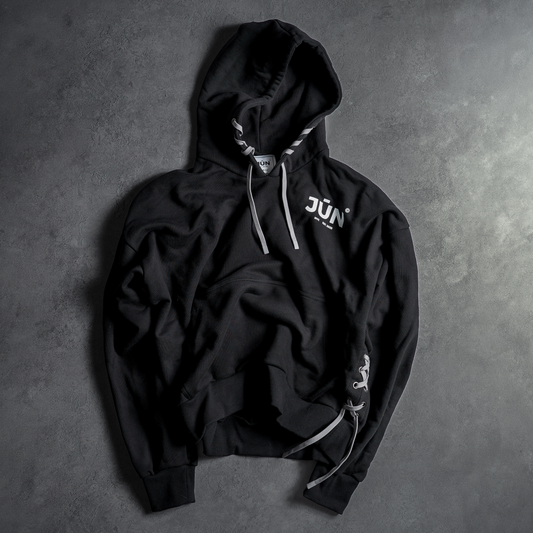 Sale
SaleDAWN. HOODIE
Regular price $150.00Regular priceUnit price per$180.00Sale price $150.00Sale -
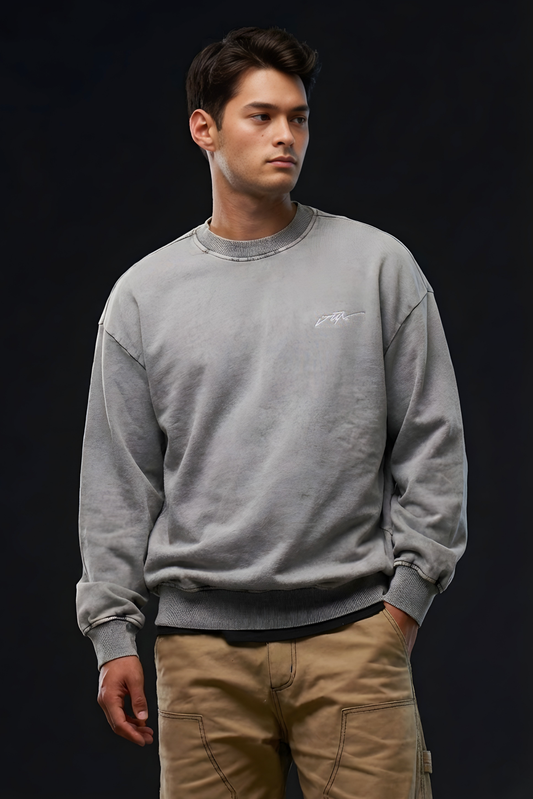
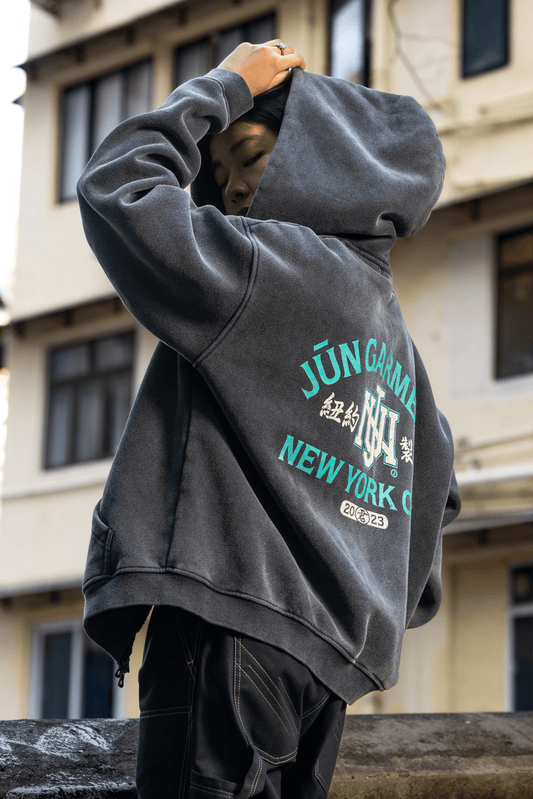
ETCH. LOGO DISTRESSED FLEECE HOODIE
Regular price $125.00Regular priceUnit price per -
ETCH. LOGO SWEATSHIRT
Regular price $90.00Regular priceUnit price per -
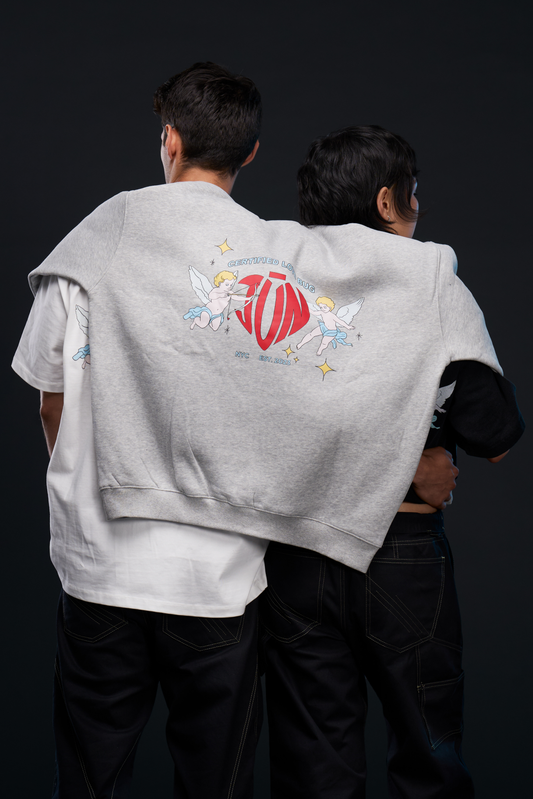
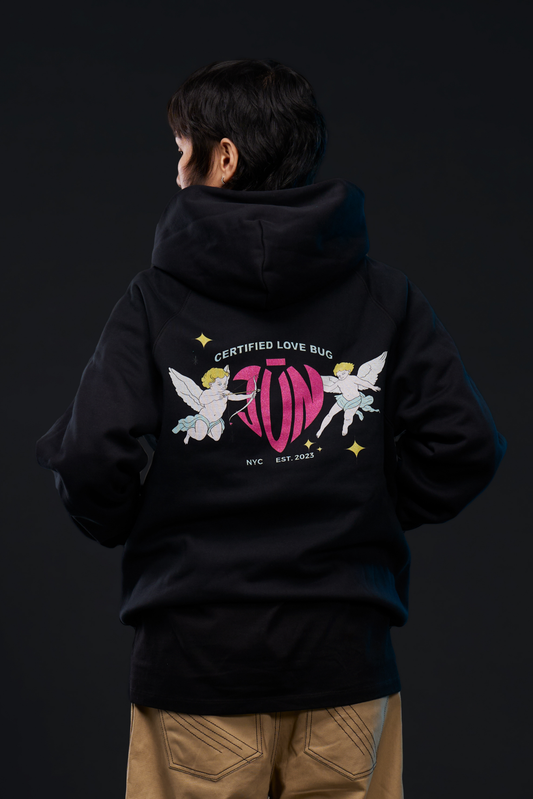
LOVE BUG. FLEECE HOODIE
Regular price $100.00Regular priceUnit price per -
LOVE BUG. RAGLAN HOODIE
Regular price $100.00Regular priceUnit price per -
RELIC. HOODIE
Regular price $110.00Regular priceUnit price per










Explore Other Categories


Explore Our Jackets Collection by Style
New York doesn't have jacket weather. It has about six versions of it packed into one year, and JŪN's outerwear is built around that instead of one silhouette. You'll find technical shells with reinforced panels, twill workwear jackets, and zip up jackets built for layering over a hoodie.
Every piece is designed and finished by hand in our New York Garment District factory, cut for a wardrobe that moves through subway platforms and wind tunnels between buildings. The range splits into three groups: technical and utility shells, twill workwear silhouettes, and lighter layering pieces. Which one you want mostly comes down to how much you plan to wear underneath, so start with the tees and hoodies already in your rotation and work outward.
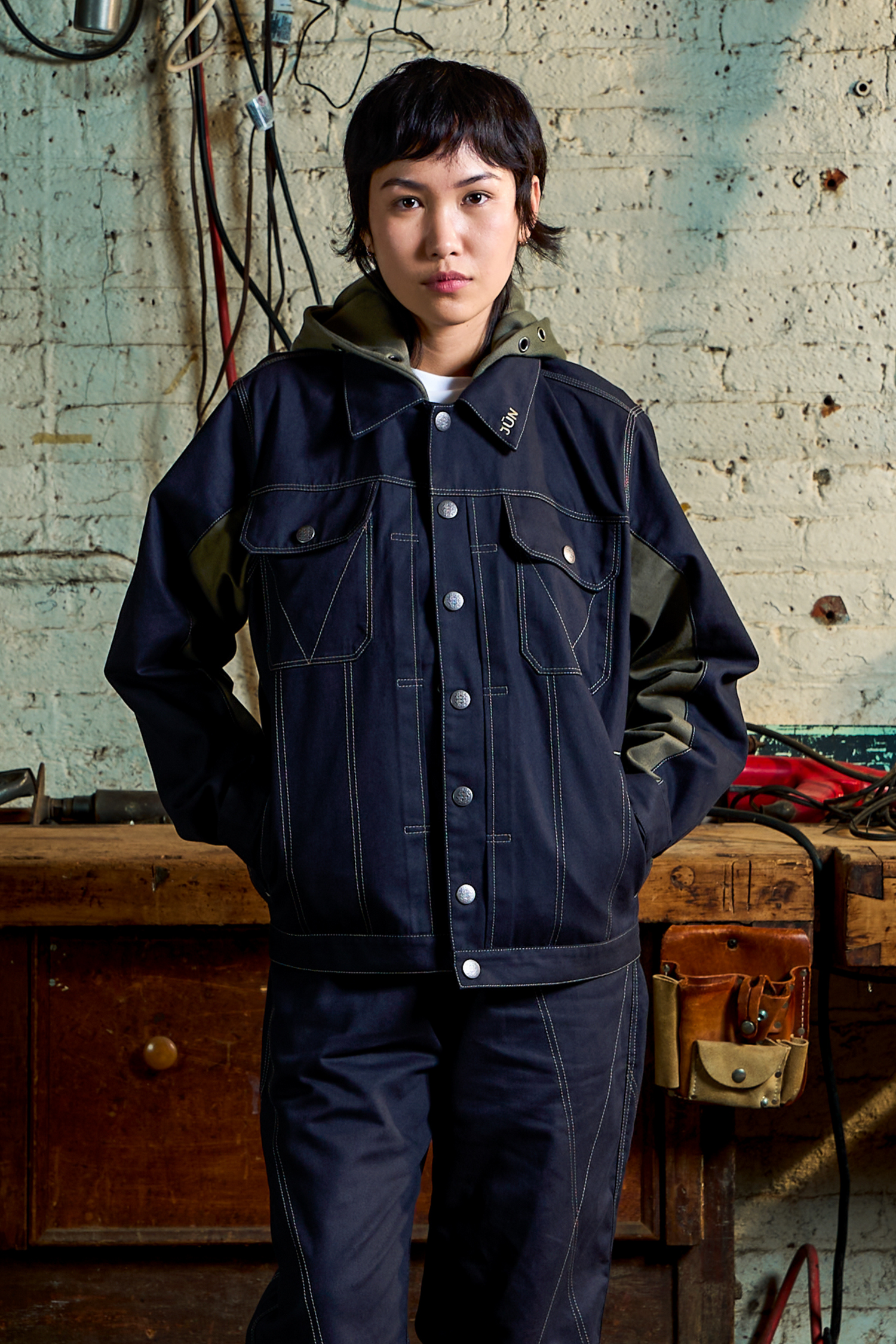
Technical & Utility Jackets
This is where JŪN's outerwear leans hardest into function. Structured silhouettes, technical fabrics, and utility details like reinforced panels and adjustable closures define this category. If you're after designer outerwear men can actually wear daily, rather than something purely decorative, this is built to be worn hard: commuting, layering, and moving through an unpredictable NYC forecast without falling apart.
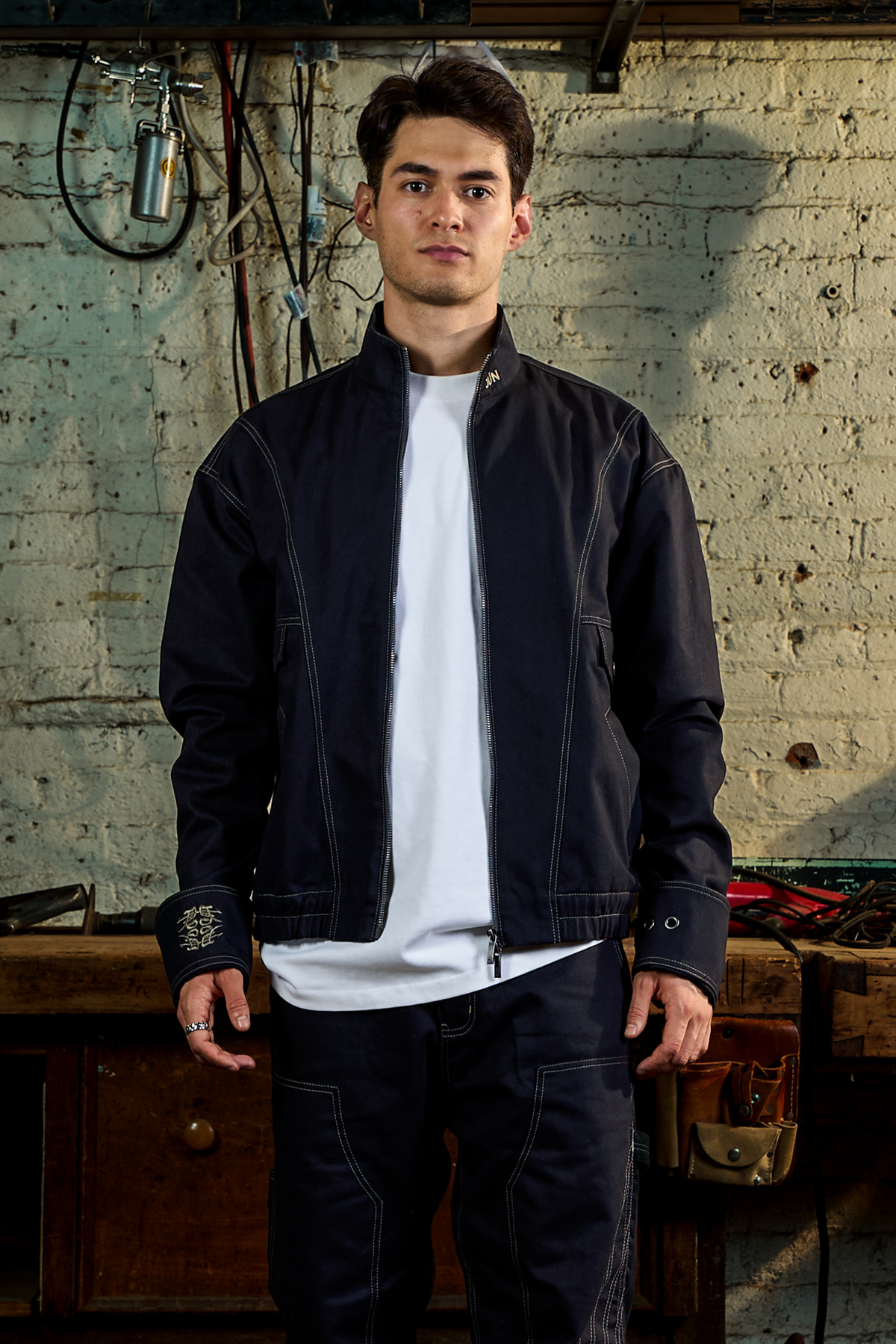
Twill & Workwear-Inspired Jackets
A more classic silhouette built on heavyweight cotton twill that pairs naturally with the rest of JŪN's streetwear pieces. Think trucker jackets, track jackets, and workwear-inspired cuts. These have a place in our men's jackets lineup precisely because they don't try too hard. They layer well over a tee, sit comfortably under a heavier coat when needed, and age well with wear instead of just looking worn out.
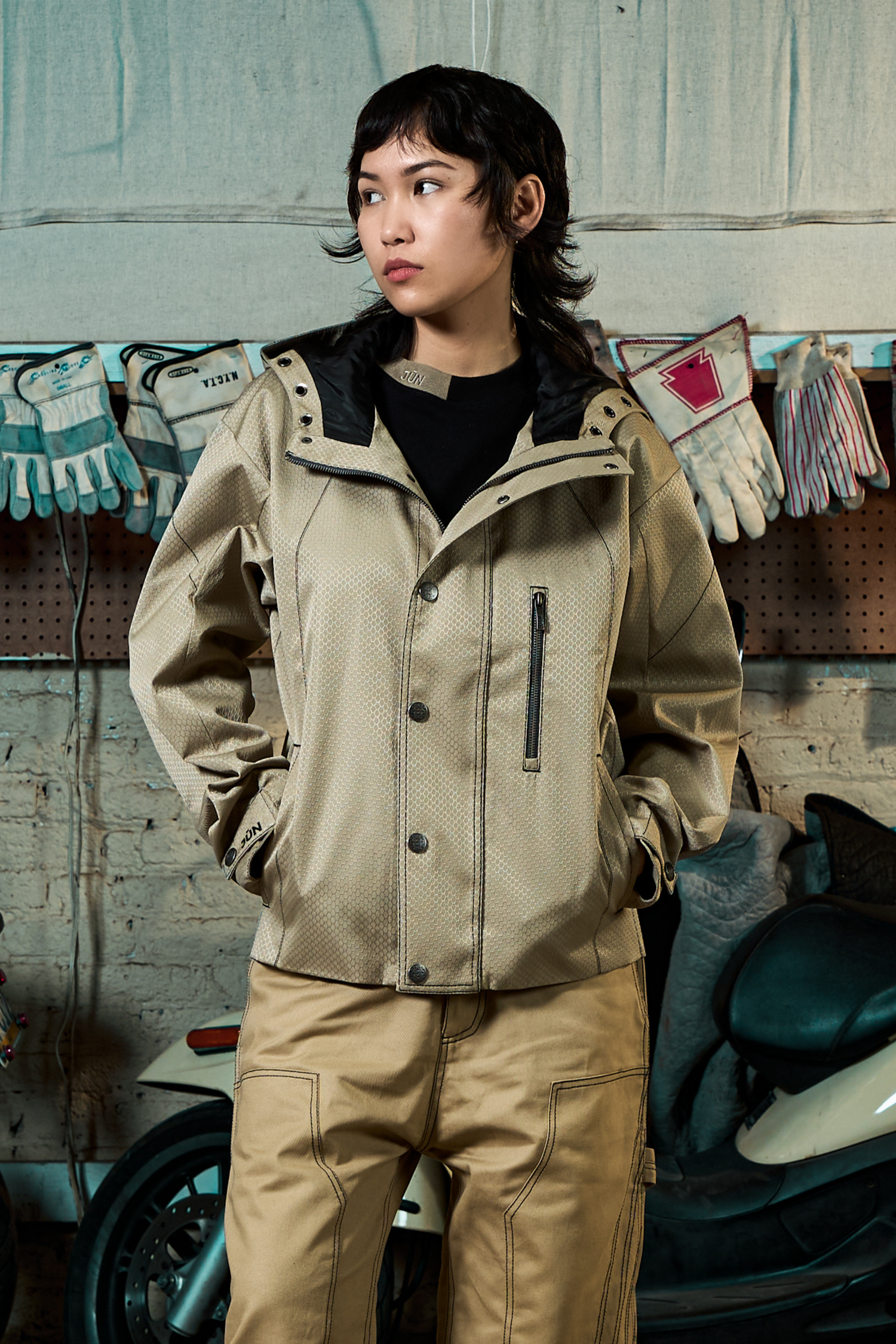
Zip-Ups & Layering Jackets
Beyond the categories above, JŪN designs zip-up and adjustable-fit jackets built around versatility. A full-zip front opens up or layers closed depending on the weather, and silhouettes with adjustable drawstrings shift the fit around whatever's underneath. It's the category built for a chilly fall or spring day that changes temperature more than once.
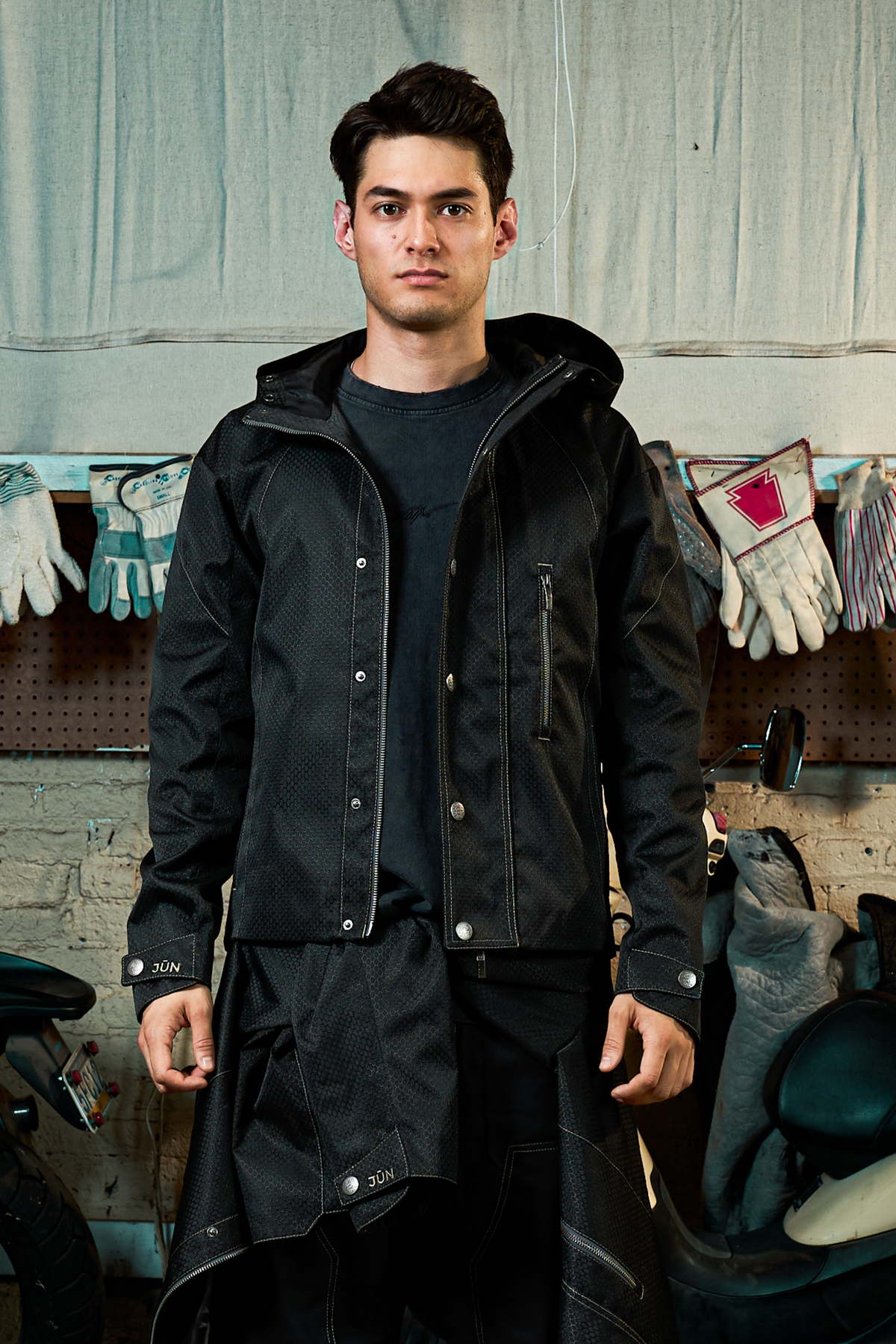
Made in New York
Every JŪN jacket is designed and finished with the city itself in mind, cut for a wardrobe built around subway platforms, wind tunnels between buildings, and a ten-minute walk that can feel like four different climates. If you're specifically searching for a New York jacket, this collection is designed around exactly that kind of unpredictable, all-day city wear rather than a single climate or occasion.
The Essential Jacket Guide
-
Fit
Jacket fit comes down to how you plan to layer it. A trim fit sits close to the body and works well over a t-shirt or thin knit, but it's limited once temperatures drop. A relaxed fit leaves room for a hoodie or midweight sweater underneath without pulling at the shoulders or restricting arm movement, which tends to be the safer choice for a jacket meant to be worn most of the year. Pay attention to where the shoulder seam sits too. One placed too far down the arm will bunch when layered, no matter how clean the jacket looks unzipped.
-
Material
The shell fabric shapes both how a jacket looks and how it performs. Cotton and cotton-blend shells feel the most premium and age the best visually, though they offer limited weather resistance on their own. Technical fabrics finished with a DWR (durable water repellent) coating handle light rain and wind without adding bulk, making them a stronger pick for daily city wear. Whatever the outer fabric, check the lining too. A brushed or quilted interior adds warmth without needing a bulkier outer shell.
-
Functionality
Beyond the shell, the details are what make a jacket usable rather than just photogenic. A full-zip front layers more easily than buttons alone. Interior pockets keep essentials secure while commuting. Adjustable cuffs or a drawstring hem let you seal out wind without sizing up. If a jacket is doing double duty as your main outer layer for several months, these functional details matter more than the graphic or wash.
-
Everyday Use
Match the jacket to how you'll actually wear it. A lightweight shell earns its place if you're layering constantly, whereas a heavier technical or twill jacket makes more sense as a standalone piece worn over a tee. Buying for the season you're actually in is usually a smarter call than chasing one jacket meant to do everything.
The JŪN Difference
-
Quality construction
Every jacket is designed and finished by hand in our New York Garment District manufacturer. Reinforced seams and structured panels are built to hold their shape through repeated wear, not lose form after a single season.
-
Attention to detail
From adjustable closures to considered pocket placement, the details on a JŪN jacket are functional first. They're added because they change how the jacket wears day to day, not just how it photographs on a hanger.
-
Premium finishes
Technical fabrics, considered hardware, and clean stitching give each jacket a finish that holds up under close inspection, not just from a distance. It's the kind of quality that's obvious the moment you put it on.
Frequently Asked Questions

What should I look for when buying a men's casual jacket?
Start with how you plan to layer it. A relaxed fit leaves room for a hoodie or sweater underneath, while a trim fit works best over lighter pieces. From there, check the shell fabric for weather resistance, the lining for warmth, and functional details like a full-zip front or adjustable cuffs. These affect how usable the jacket is day to day far more than the color or graphic does.
What's the difference between a technical jacket and a workwear jacket?
A technical jacket uses performance fabrics, often with a water-resistant or wind-resistant finish, built for function first. That makes it a stronger choice for unpredictable weather and daily commuting. A twill workwear jacket leans on heavier cotton twill construction for a more classic, structured look. It's durable and ages well, but offers less built-in weather protection than a technical shell.
How do I choose the right jacket for New York weather?
Because NYC weather shifts fast, layering compatibility matters more than finding a single "perfect" jacket. A relaxed-fit technical shell with a full-zip front works across the widest range of temperatures, since it can go over a t-shirt in early fall or a hoodie once it gets colder. Keep a lighter jacket in rotation for in-between days instead of defaulting to your heaviest piece every time the temperature drops.
How do I care for a premium jacket?
Check the care label before washing, since technical fabrics, cotton twill, and lined jackets often need different treatment. For most shells, spot cleaning and occasional cold-water washing (inside out, zipped) preserves the fabric and any coating better than frequent full washes. Avoid high heat when drying. Air drying keeps structured panels and adjustable hardware from warping or losing shape over time.
Are designer jackets worth the investment?
It depends on construction, not just the label. A well-made jacket with reinforced seams, quality hardware, and a considered fit will outlast several budget versions, both in durability and in how it looks after repeated wear. That's usually where the extra cost is actually going, rather than the branding alone.